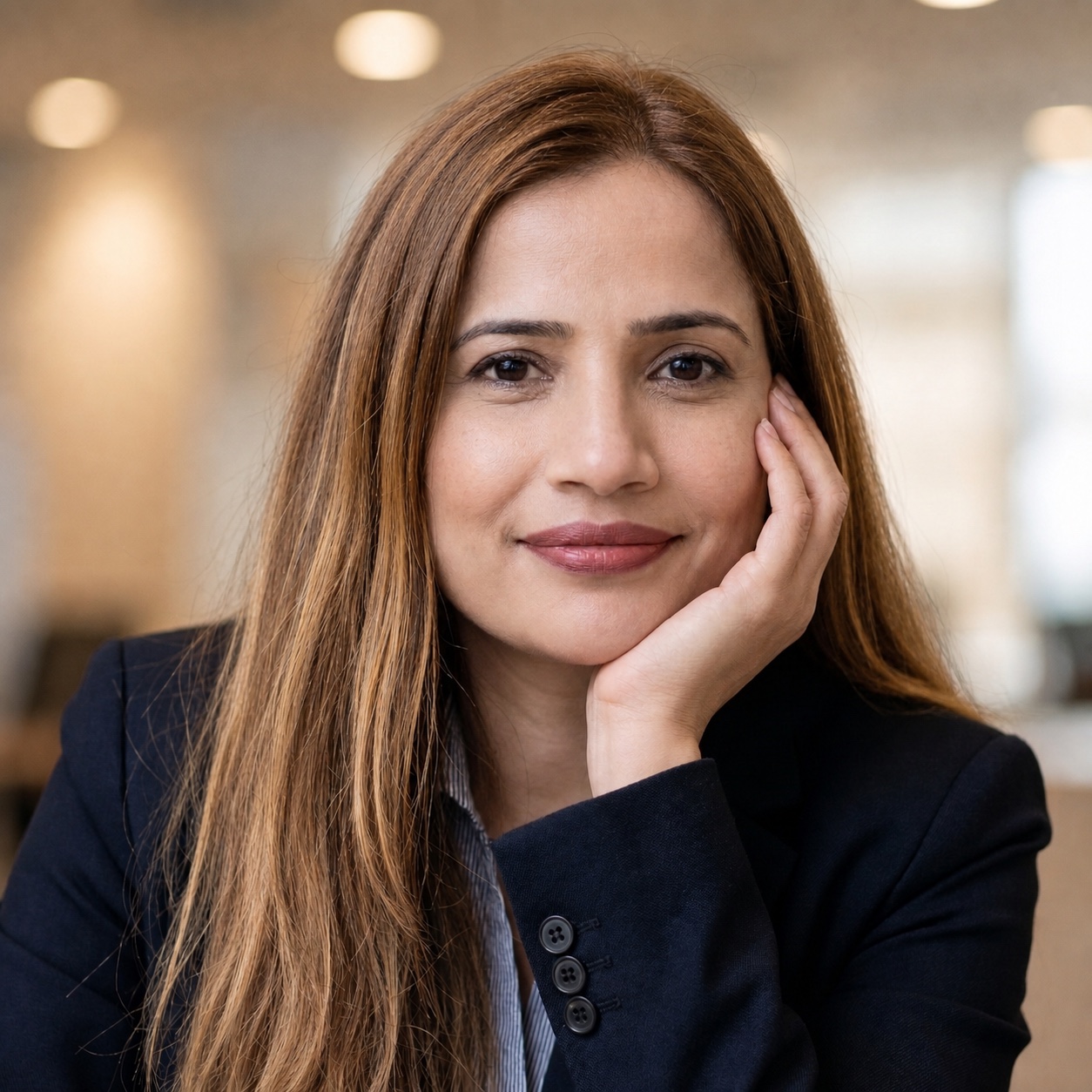
Hi, I’m Sora Braeger, co-founder and researcher behind KartaPolaka.
The family in this story isn’t mine—it’s my husband’s. He is the great-grandson of Paweł Głuszek, and I’m the one who went looking for him.
It started with a question we couldn’t answer: how could his family have been Polish when the surviving records said they came from somewhere else?
Paweł came from Stryszawa, a village in the Beskid foothills of Galicia. He was born there in November 1890 and sailed from Hamburg in January 1909, eighteen years old, with two other boys from the same village. Marianna Targosz had been baptized in the same parish four years earlier and had already gone—through Antwerp to Quebec in 1905, and overland from there. They married in Minneapolis in January 1911, and their daughter Amelia was born there four years after that.
Poland did not exist as an independent state when either of them left; Galicia was under Austrian rule. So their American paperwork called them Austrian. The documents were not wrong. They just weren’t the whole truth.
That contradiction is where this site began.
One family, many names
What I found is that Polish ancestry research is almost never a matter of typing one name into one database. Borders moved. Governments changed. Villages were renamed. Records were kept in Polish, German, and Latin, and a single life ends up scattered across passenger lists, censuses, naturalization files, parish registers, military rolls, and archives in several countries.
Paweł’s name is Głuszek in the parish book and on the Hamburg departure list, Glusek on his marriage license, Guseck on his daughter’s birth record, Gusek where he signed his own draft card, and Gosak in the 1920 census. His first name is Paweł, then Paul, then Powel. Hers runs Targosz, Targos, Targus. Every one of those is the same person, and no search box knows it. She is harder still: she entered through Canada, so no search of American arrival records will ever find her.
And it doesn’t stop at the border. Their daughter is Amelia Gusek on her 1915 birth certificate, but he knew his grandmother as Emily—Emily Braeger by then, in California. By the time there was anyone alive to remember her, the record and the person had already come apart.
How a history quietly disappears
She married Harold Braeger in Minneapolis in July 1932, seventeen years old, before a Lutheran pastor. Her parents had been married in the same city twenty-one years earlier by a Catholic priest. In one generation the family went from Polish and Catholic to German and Lutheran. That is how a history actually gets lost—not in a single dramatic break, but quietly, in the ordinary business of growing up and getting married.
The records do not even agree with each other. Amelia’s 1915 birth certificate gives both her parents’ birthplace as Galicia, Austria-Hungary. Five years later a census taker wrote Russian Poland for both of them—the wrong empire, the wrong partition, simply wrong. When Paul died in 1933, fifteen years after Poland had become an independent country again, his death certificate still said Austria. Not one American document in his lifetime ever said Poland.
It outlived him, too. When Emily died in California in 1995, her own death certificate recorded her father’s birthplace as Austria and her mother’s as Poland. They were born four years apart in the same village. Eighty years after they left it, one form gave them two different countries.
And on Paul’s death certificate, in the box for his mother’s maiden name, someone wrote Helen ?—with the question mark. By 1933 nobody in Minneapolis knew her surname anymore. The parish in Stryszawa cannot supply it either. More than a century after she gave birth to him, it is still the thing we do not know, and I am still looking.
The head start I wish we had
The systems are unhelpful in a particular way: they index one spelling, they do not understand historical geography, and a record marked “Austria” may never say Galicia or Poland anywhere. Finding the right document often requires already knowing the answer before the search box will help you ask the question.
We have every link now. Stryszawa to Minneapolis to Fremont, each generation joined by a certified record: a parish book, two marriage licenses, a birth certificate, and two death certificates. It took a year, an archive in Bielsko-Biała, a parish in the Beskids, and eighteen documents to assemble something that ought to have been a family story.
That is what this site is for. It is the head start I wish we had—explaining why the confusion exists, connecting people to original sources wherever possible, and showing what the next responsible step is.
Three records, one life
These original documents show why a single exact-name search is rarely enough. Across less than three decades, the same man appears as Paulus Głuszek, Pawel Gluszek, and Paul Gusek—while the geography around him shifts between Galicia, Austria, and Poland.
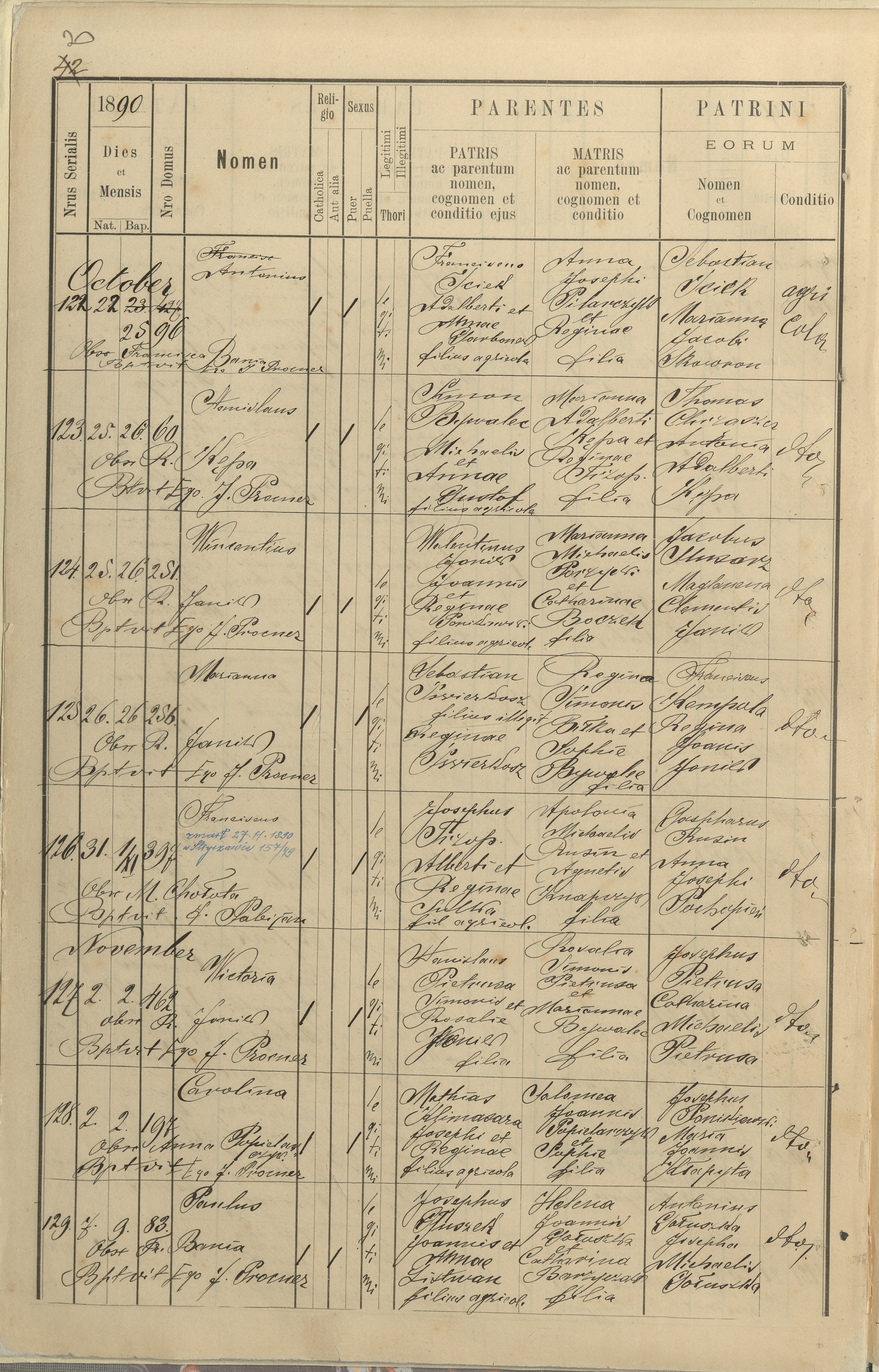
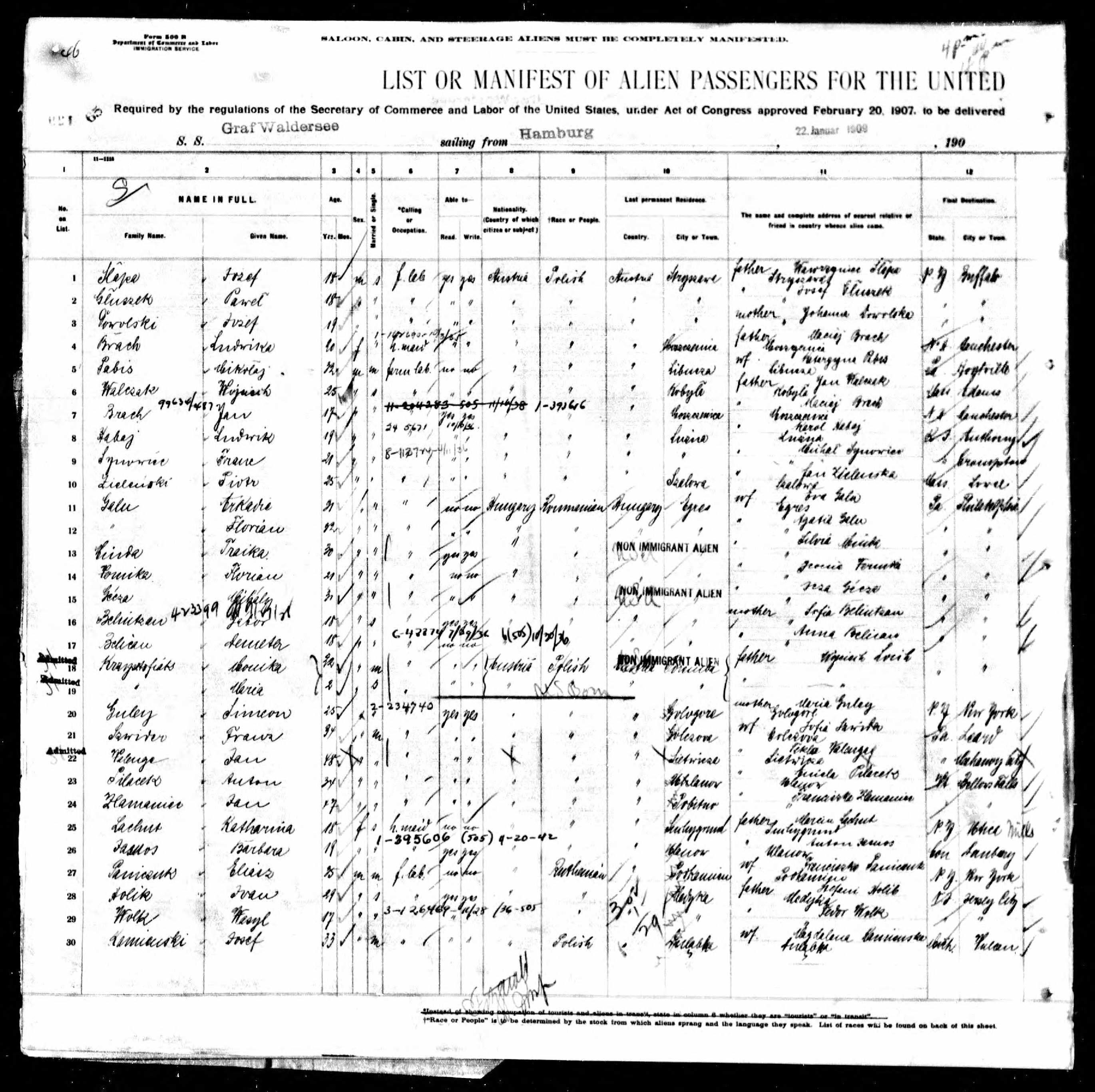
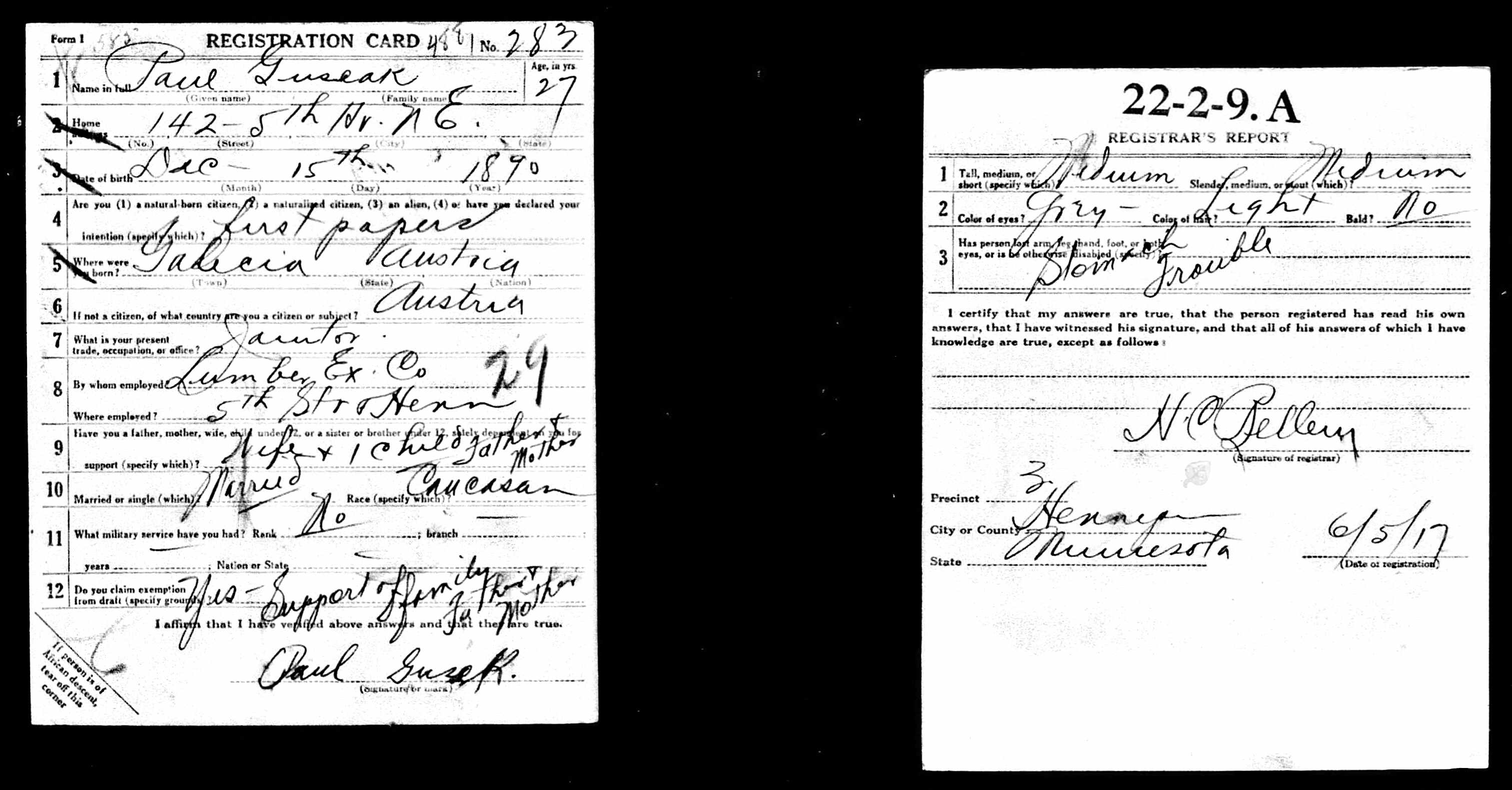
Original records do not remove every uncertainty. Together, they show us where the uncertainty came from—and give us a responsible place to begin.
A family journey through changing borders
Stryszawa
Paweł and Marianna’s parish in the Beskid foothills of Galicia.
1905 and 1909
Marianna left through Antwerp and Quebec; Paweł sailed from Hamburg.
Minneapolis, 1911
They married and began the family’s American chapter.
Emily and Harold, 1932
A new generation and a quieter separation from Polish identity.
Eighteen documents
The records finally reconnected Stryszawa, Minneapolis, and Fremont.
Creating KartaPolaka
The research became practical guidance for other families.
What this work is—and what it isn’t
KartaPolaka is an independent educational and research resource. It brings together historical context, ancestry-research guidance, application information, cultural learning, and interview preparation.
It is not a law firm, immigration agent, government service, or consulate. We have no relationship with the Polish government or any consulate, and we cannot file or submit an application on anyone’s behalf.
If you need legal advice, speak with a qualified lawyer. Always verify current requirements and procedures with the appropriate official authority.
Found something wrong or out of date?
Email questions@kartapolaka.com.pl. I’d rather fix it than have someone walk into an interview with bad information.
For questions, stories, or testimonials that you would like us to review, you can also use the moderated Community form. Nothing is posted publicly without review.
Keep this project going
KartaPolaka is a spare-time project. Optional one-time contributions help cover hosting and the development tools that keep every guide, research tool, and practice lesson free to use.
Support this project