
KartaPolaka Your Polish Heritage Guide
Free-first research · No signup

Every ancestor left a paper trail. Build the plan that finds it.

Start with a surname. We rank the archives, parishes, and databases most likely to hold your record — and show exactly what each site can accept.

Browse the source library

Independent resource — not affiliated with the Polish government.

59 hand-verified sources 9 record-holding regions 36 free archives & indexes 13 cemetery & burial databases
The records that hold your family's story

Tap a record type to filter the Source Library below.

Your plan, ranked

Everything the planner finds lands here

No accounts, no waiting. The plan resolves your place and matching window, then lists the sources worth checking first — in order, with prefilled search links where the site allows them.

Your tailored plan will appear here We will start with reliable free sources, then add regional and period-specific resources when they match your information.

The method

A free-first ancestry-proof strategy

Prove the line, don't collect documents

This hub helps you prove a family line, not just gather papers. Start with official archives, parishes, diocesan archives, FamilySearch, and other free tools before paying for broader platforms or professional help. Every source in the library below is labeled by access model — free, by request, or mixed.

Start with U.S. and Canadian records →

Best first path

  1. 1Identify the exact town, parish, or region.Use the planner
  2. 2Search Polish archives and parish routes first.Open the library
  3. 3Bridge generations with U.S. records.U.S. research
  4. 4Plan a roots trip once the trail names the place.Roots travel
  5. 5Try paid tools only if free sources come up empty.Compare sources
01 Parishes & Churches

When the family line runs through church books

Baptism, marriage, and burial records often live in parish or diocesan systems rather than the easiest civil database. Use the sacred-sites directory once you know the locality or suspect the parish route matters more than a city archive.

Parish directory
02 Regions & Archives

When history changes where the records live

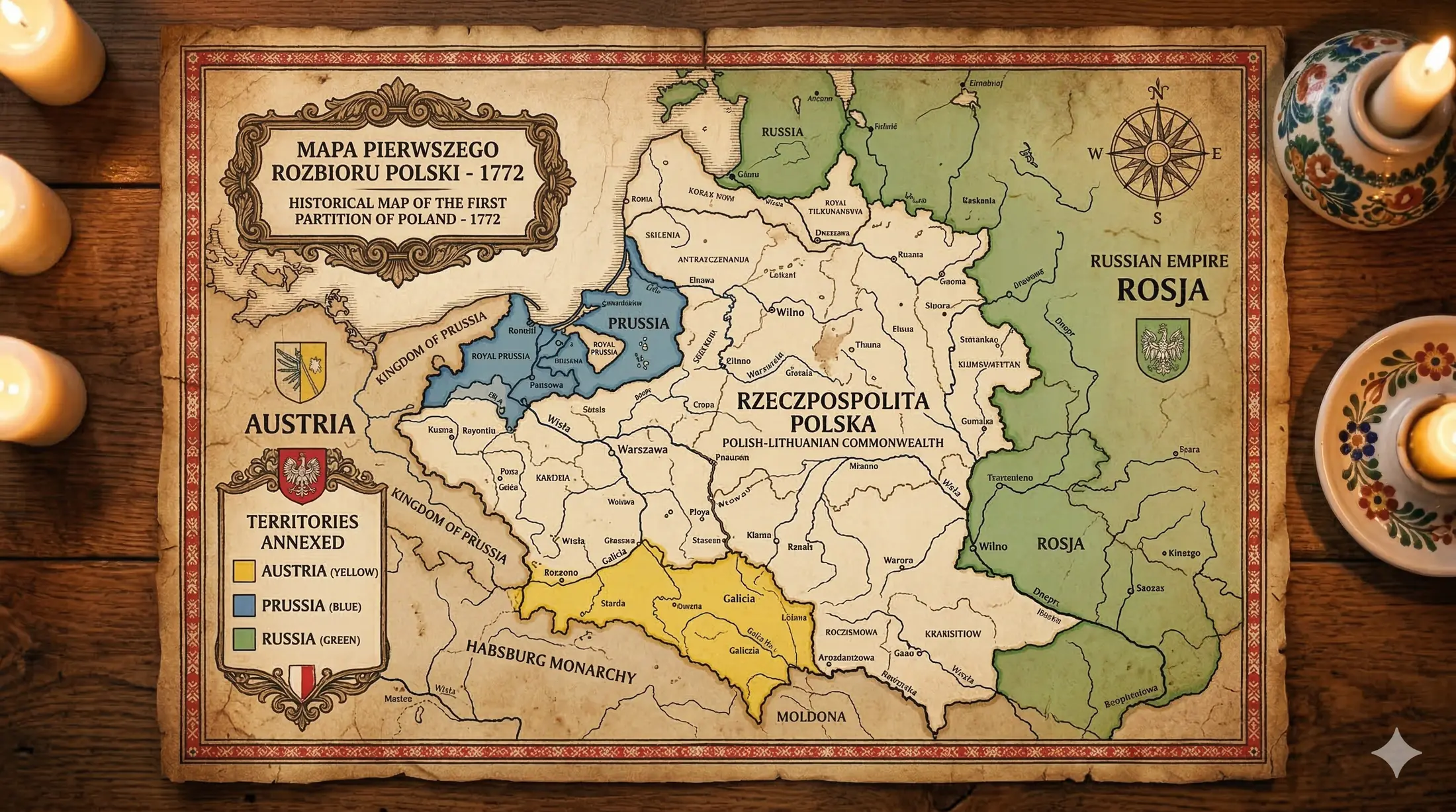
Partition borders, diocesan boundaries, border shifts after World War II, and renamed towns can change where a record is stored and what language it was written in. Regional context can save hours of searching in the wrong place.

See region history
03 Fieldwork Planning

When the research needs an on-the-ground trip

Once the documentary trail points to one church, archive, USC office, or ancestral town, the roots-travel section helps turn that into a real itinerary instead of a generic Poland vacation.

Plan a roots trip

The catalog

Research Source Library

Browse structured research sources by region, then locality, then source type. Start with the region your family came from.