 Dożynki: The Polish Harvest Festival That Lives in Our Hearts
If you grew up in a Polish family, you may remember a moment — even a small one — when the world felt full of color, music, and celebration.
For many people, that moment was Dożynki, the traditional Polish harvest festival.
Even if you never attended one in Poland, the stories, photos, or memories passed down through your family might feel strangely familiar.
Dożynki has a way of living inside people, even generations later.
A Festival Built on Gratitude
Dożynki is more than a celebration of the harvest.
It’s a celebration of:
- community
- hard work
- gratitude
- the rhythm of the seasons
- the beauty of rural life
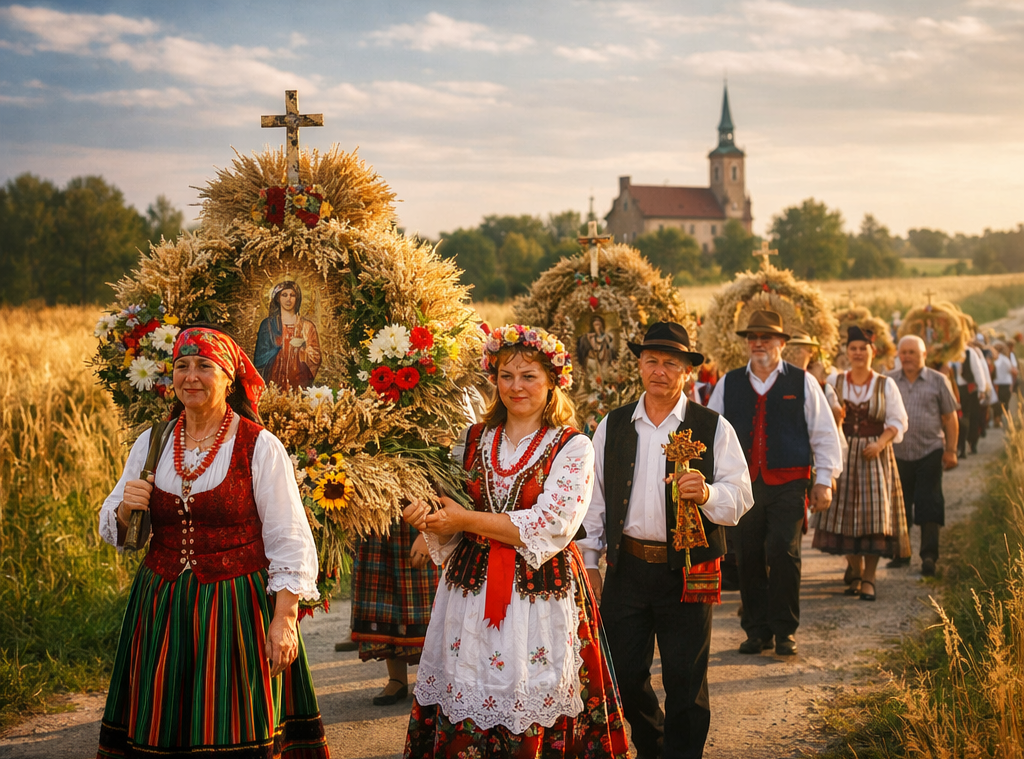
In villages across Poland, the festival begins with a procession.
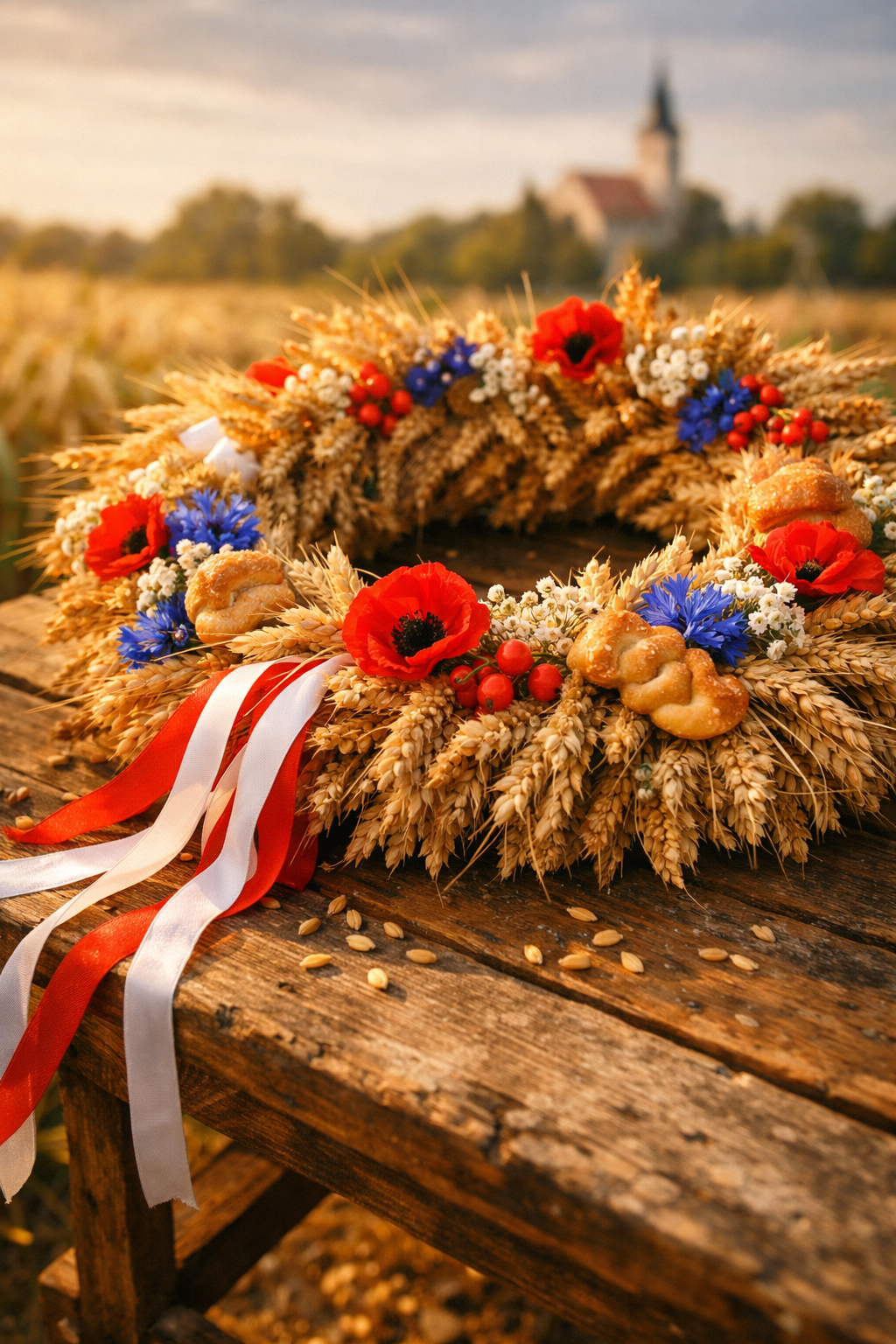
People carry wheat wreaths woven with ribbons, flowers, and sometimes even tiny bread loaves.
These wreaths aren’t just decorations — they’re symbols of hope, prosperity, and the belief that what we honor, we keep.
The Soundtrack of a Village
If you’ve ever heard a Polish folk band tuning up before a performance, you know the feeling:
- the sharp cry of the fiddle
- the steady heartbeat of the drum
- the accordion weaving everything together
At Dożynki, the music isn’t background noise — it’s the soul of the celebration.
Children dance in circles, older couples sway with quiet smiles, and everyone knows at least one song by heart, even if they haven’t sung it in years.
The Outfits That Tell a Story
Dożynki is one of the few times you see traditional Polish outfits worn with pride:
- embroidered vests
- colorful skirts
- beaded necklaces
- flower crowns
- boots polished for the occasion
Each region has its own style, its own colors, its own patterns.
Wearing them feels like stepping into your ancestors’ shoes — literally.
A Table That Feels Like Home
No Polish celebration is complete without food, and Dożynki is a feast:
- fresh bread still warm from the oven
- roasted meats
- cabbage dishes
- honey cakes
- seasonal fruit
- homemade spirits shared with laughter
Even if your family now lives thousands of miles from Poland, these flavors have a way of finding their way back to the table.
Why This Tradition Still Matters
Dożynki reminds us of something simple but powerful:
heritage is not something you learn — it’s something you feel.
You feel it in:
- the smell of fresh bread
- the sound of folk music
- the weight of a wheat wreath
- the warmth of a shared meal
- the pride of wearing traditional colors
For many people visiting this website, reconnecting with Polish culture isn’t just about documents or procedures.
It’s about honoring the traditions that shaped their families.
If you’re ready to take your cultural knowledge from appreciation to confident conversation, visit the Interview Prepatation page.
There you’ll find a structured guide that turns traditions like Dożynki, Wigilia, and folk customs into clear, memorable talking points — helping you speak about Polish culture with ease and authenticity.