Pinned · Start Here
Start Here: The 2026 Karta Polaka Guide for Americans
What the card does today, what draft 2026 changes could affect later, and how U.S. applicants can prepare now without losing the thread.
This page is a home for thoughtful posts that connect big history with personal family experience.
What the card does today, what draft 2026 changes could affect later, and how U.S. applicants can prepare now without losing the thread.
The same family can appear as Polish in memory, Russian in one record, and Austrian or German in another. This piece shows why that happens.
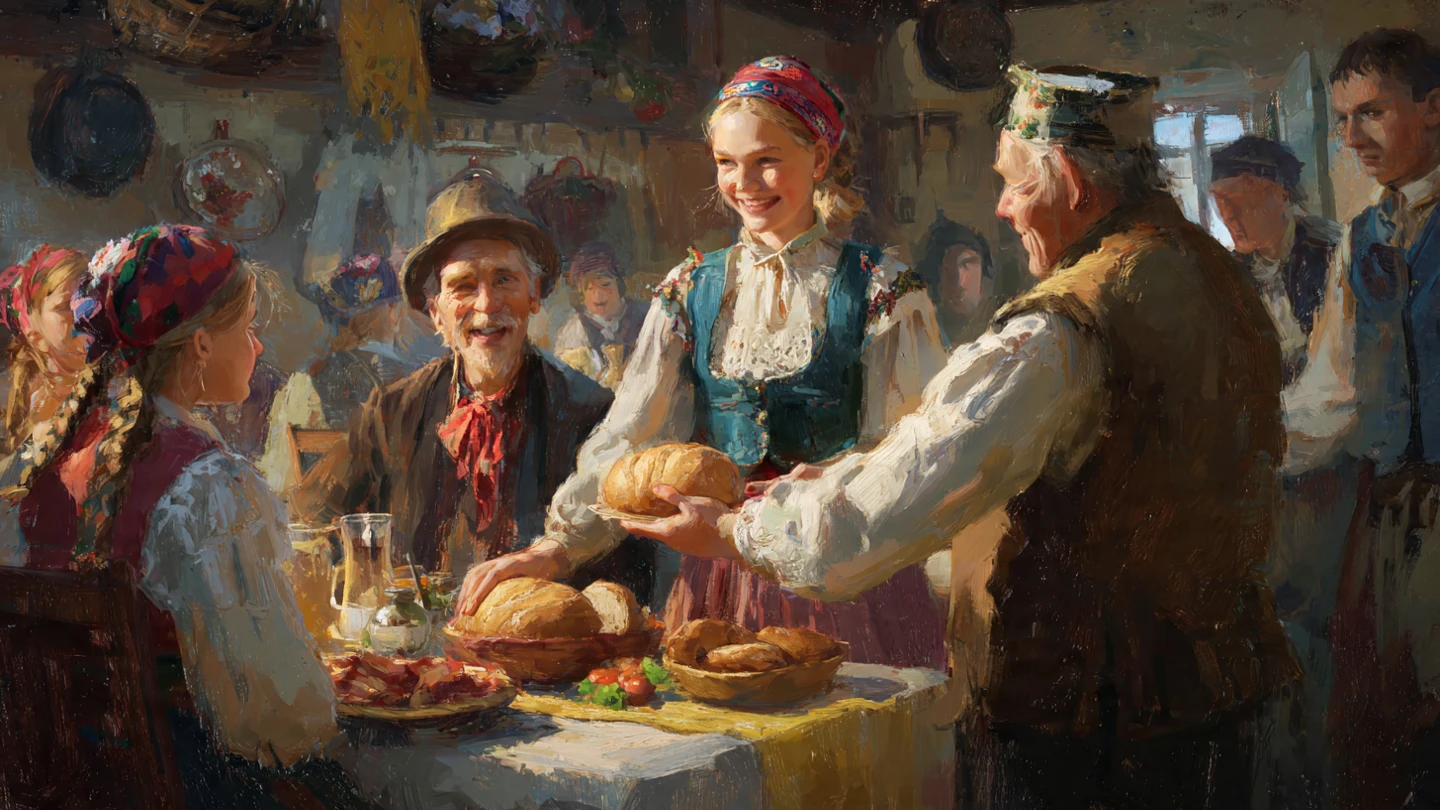
Even when language faded, families often kept Wigilia, prayers, recipes, and habits that still reveal a Polish line.
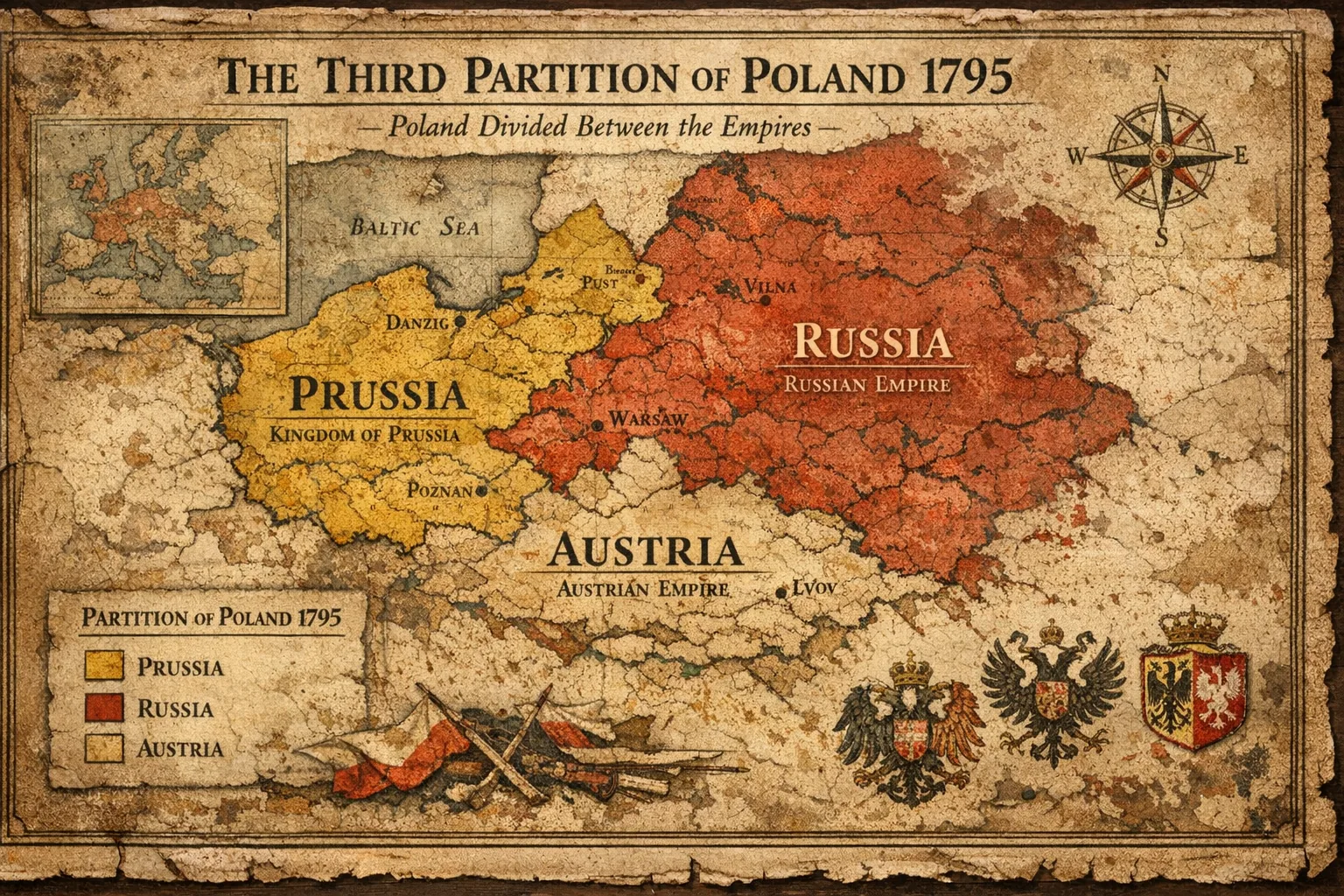
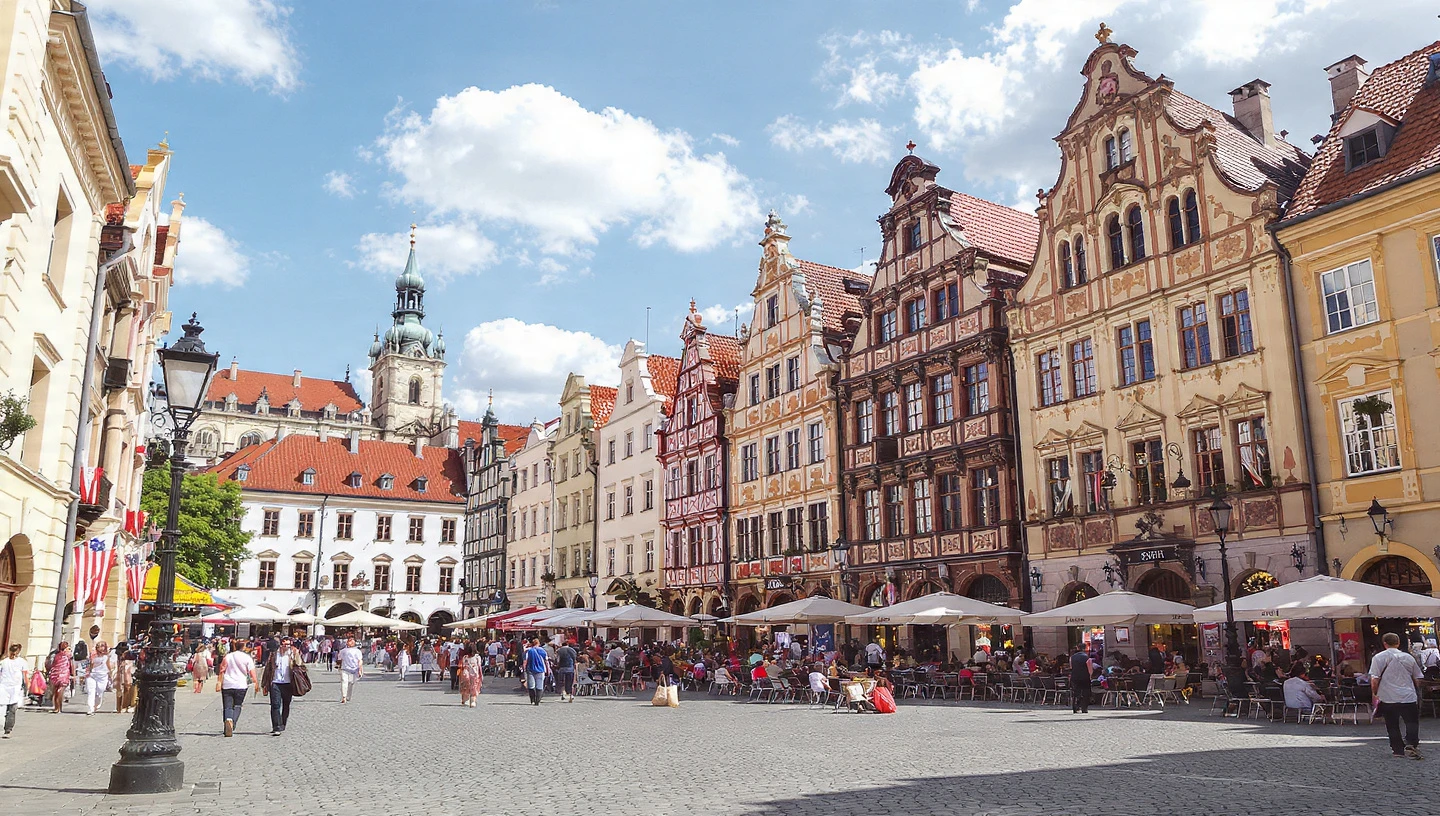
Those old political borders still affect where records live, what language they use, and how ancestors were classified.
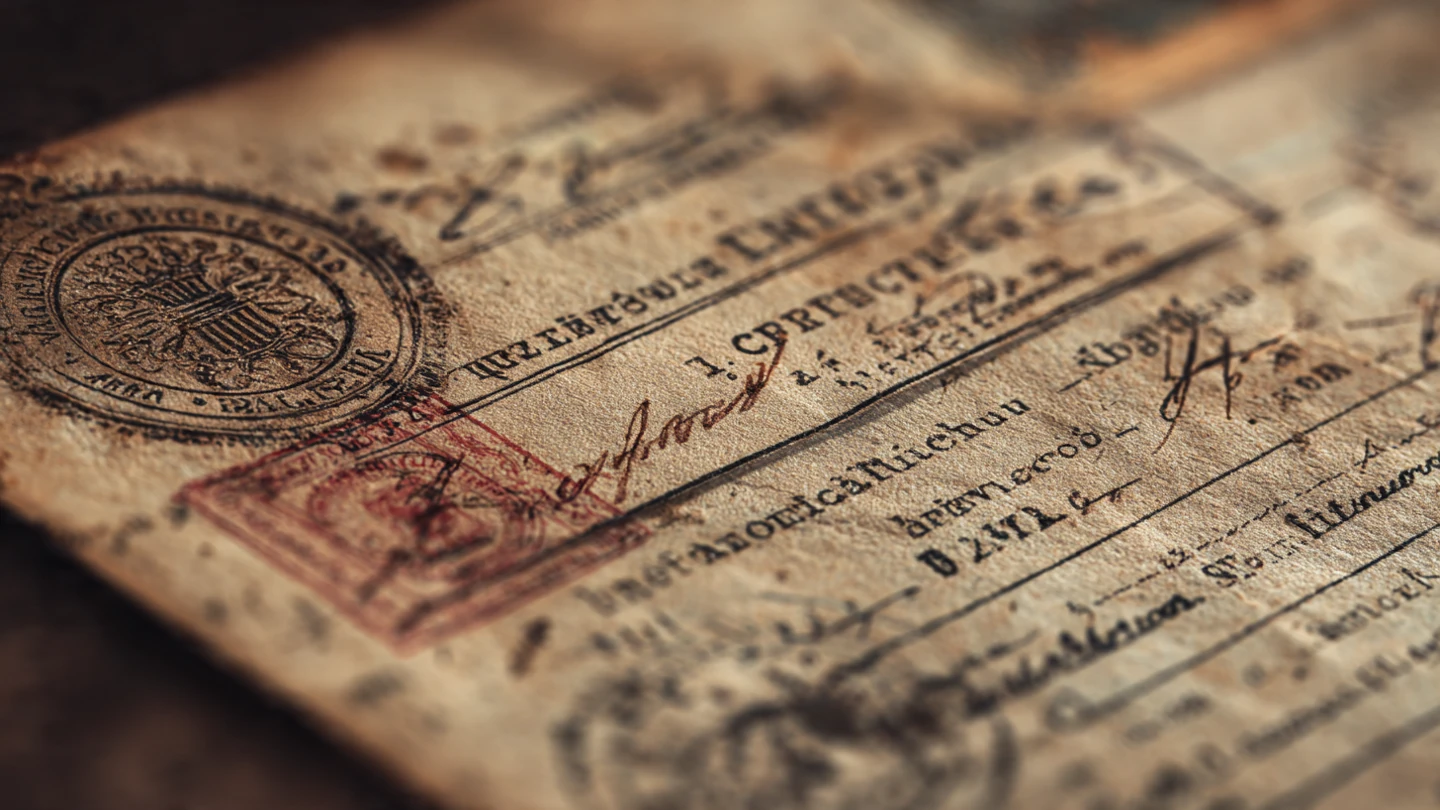
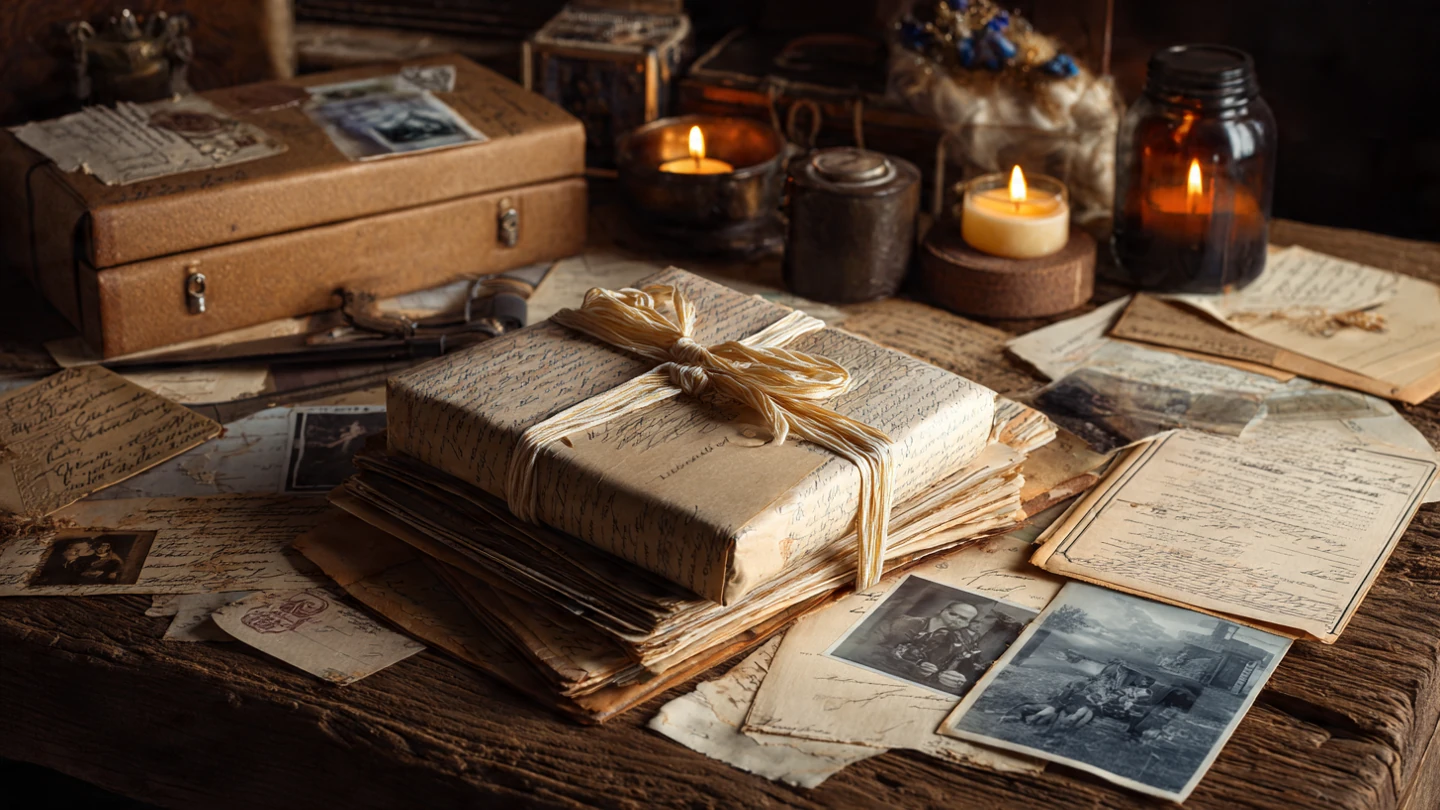
Passenger lists, naturalizations, U.S. church records, and Polish archives become much more useful when you work them in sequence.
For many descendants, identity survives in fragments. This piece makes room for that without flattening it into a slogan.
The Karta Polaka is Poland's formal recognition of Polish identity for eligible members of the diaspora. It is not citizenship, but it can be an important bridge back: it supports legal work in Poland without a separate permit, gives access to public education on the same basis as citizens in many cases, includes transport discounts, and can support a later residence and citizenship path. For many American families, it is the first concrete legal step that turns family memory into something officially acknowledged.
For U.S. applicants, the practical path is still the same: confirm eligibility, gather ancestry records, prepare translations and supporting documents, and get ready for a Polish-language consular conversation. The strongest starting points on this site are the eligibility page, the document checklist, the consulate guide, and the interview prep study guide, especially if your Polish is still basic.
People are also watching a 2026 draft amendment that could narrow one eligibility path and introduce a fee, which is why this guide matters now. Even without speculating beyond the draft stage, the message is simple: if your family line is documentable, it makes sense to learn the process early, organize your evidence carefully, and avoid waiting until the rules are less favorable than they are today.
Many people begin with a clear family phrase: "our family came from Poland." Then the records begin to arrive, and a birth place is labeled Russia, Austria, Germany, Belarus, Lithuania, or Ukraine. At first that can sound like a contradiction. In reality, the family memory is often culturally accurate, while the record is reflecting the state power that controlled the same town at the moment the document was created.
That is why borders matter so much in Polish ancestry work. A Polish-speaking Catholic family might have stayed in the same village for generations while the legal administration around them changed several times. Passenger lists, census entries, military records, and church books were each created under different assumptions and by different authorities.
Once that clicks, the research feels much less chaotic. The question stops being “which source is wrong?” and becomes “which map was in force when this record was written?” That shift often opens the door to the right archive, the right spelling, and the right language for the next search.
Migration changes language, neighborhoods, jobs, and often even surnames. But traditions can travel more quietly and last longer than expected. A family that no longer speaks much Polish may still keep Wigilia, bless Easter baskets, repeat an inherited prayer, or cook one dish the same way every year without fully realizing what that continuity preserved.
Those details matter because identity is not carried only by paperwork. In many diaspora families, the strongest bridge to the past was not an archive at all, but a repeated action at the table, in church, or at home. A place setting left open, an opłatek passed around, or a phrase saved only inside one holiday ritual can hold more continuity than people expect.
That is part of why a blog belongs on this site. It gives room for the lived side of Polish identity, not just the procedural one. For some readers, that emotional layer is exactly what gives them the confidence to keep going when the document work becomes slow.
The partitions of Poland are not just a school-history topic. Their administrative consequences lasted for generations, and those consequences still shape family research today. A birth might be recorded in Latin, Polish, Russian, or German depending on the office or parish that held authority at the time. The same surname might be spelled differently across systems, even when the family itself did not change.
This is where many researchers get stuck without realizing why. They are looking for a “Polish record,” but the record was filed under a different imperial system, in a different language, or in an archive that now belongs to another country. Without the historical layer, the search feels random. With that layer, it becomes much easier to narrow what kind of record should exist and where it is most likely to be found.
That is why historical context is practical, not decorative. It helps readers interpret contradictions, find the right archive path, and understand why one family line can look so different from document to document.
A useful records article does not need to solve every case. It just needs to show the logic clearly. A passenger list might preserve the last residence or the name of a relative back home. A naturalization record may narrow the birth place. A U.S. parish marriage entry could reveal parents' names or a more exact locality. Suddenly the search becomes a chain rather than a pile of disconnected clues.
This is where the site can do something helpful. A blog article can tell the story of how one clue unlocked another, then send readers into the research hub, the documents page, or the record lookup page once a place of origin starts to come into focus.
In other words, the blog is not here just to add more words to the site. It is here to create a bridge between family memory and the practical research steps that follow from it.
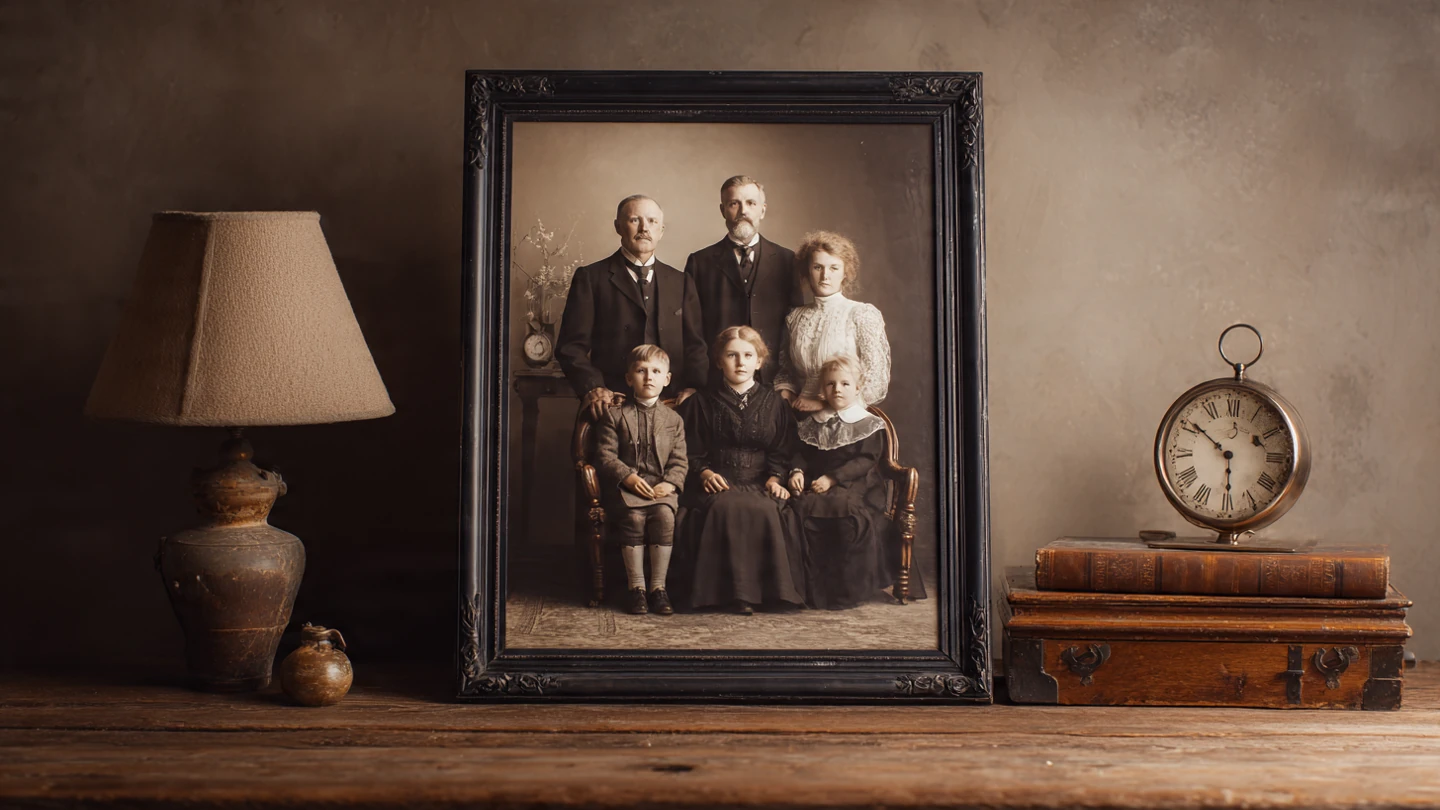
For many descendants, Polish identity survives in fragments: a surname, a village name no one can quite spell, a prayer, a recipe, a photograph, a story about a grandparent who would never stop saying where they came from. None of those pieces may feel complete on their own, but together they often point toward something durable.
That experience matters because not everyone begins this journey fluent in Polish or confident in the details. Some people come with strong documentation and weak cultural memory. Others come with strong family memory and almost no paper trail at first. Both are real forms of inheritance, and both deserve careful handling rather than easy slogans.
A strong heritage site should make room for that. It should help people build confidence, not make them feel disqualified from their own story just because the pieces are uneven.