1. The fragments are the culture
In America, Canada, or the UK, "being Polish" rarely looks like daily language use. It looks like:
- Food on a calendar: Wigilia on December 24, not "Christmas dinner." Żurek at Easter, not "soup."
- Objects with stories: the opłatek in the freezer, the Black Madonna image above the door, the wooden rosary from Babcia.
- Words that stuck: "na zdrowie," "smacznego," "Boże Narodzenie," even if you can't hold a conversation.
- Names that travel: Kowalski becomes Kowalsky, but you still spell it for every receptionist.
These are not "less Polish." They are how culture survives when a state disappears and language thins. Anthropologists call this "cultural maintenance," and Polish consulates are trained to recognize it.
2. What Polish law actually asks for
The Basic Requirements for Karta Polaka list three things, not one:
- Polish ancestry
- Basic conversational Polish
- Active cultivation of Polish traditions
That third point is where fragments matter. You do not need to join a folk dance troupe. You need to be able to answer, in simple Polish: "What do you do to keep Polish culture alive?"
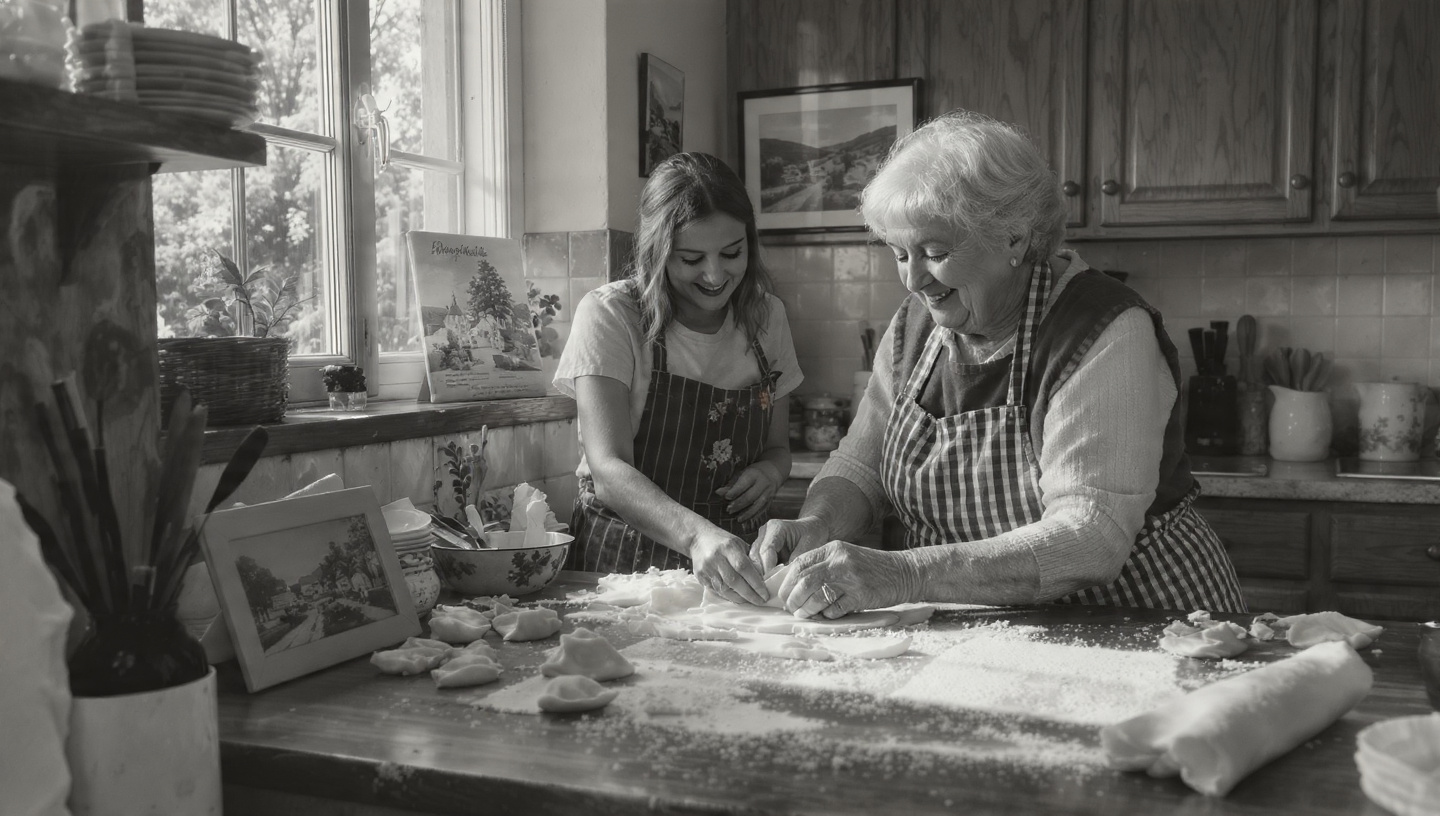
A good answer: "We share opłatek every Wigilia. My grandmother taught me to make pierogi ruskie. We go to Polish Mass for Święconka." That is cultivation.
3. How to name what you already have
Take 15 minutes with a notebook. Write down:
- Three foods you only eat at Polish times of year
- Two objects in your home that came from Poland or a Polish relative
- One story you have told more than twice about "the old country"
- One prayer or song you know, even partially
These four lines become your interview script. Our Interview Prep section helps you translate them into the short sentences consuls expect — you do not need perfect grammar, you need clear memory.
4. From feeling to evidence
Feeling Polish is private. Proving it for Karta Polaka is practical. Link each fragment to a document or photo:
- Recipe card in Polish handwriting → scan it
- Parish bulletin showing you helped at Dyngus Day → save it
- Photo of you at Święconka → print it
- Family tree noting the village → highlight it
Bring these to your consulate visit. Officers are not looking for fluency. They are looking for coherence: does your story match your papers? The Gather Documents checklist includes a "cultural evidence" section for exactly this.
5. You are not alone in the in-between
Diaspora identity is layered by design. You can feel American at work, Polish at Christmas, and unsure in between. That in-between is not a weakness for Karta Polaka — it is the reason the card was created in 2007. Poland recognizes that history scattered families, and that connection often lives in kitchens, not textbooks.
If you carry a surname, a recipe, or a prayer, you are already doing the work the law describes.
Next step: Not sure if your fragments are "enough"? Take the 2-minute Quick Eligibility Check and then read our guide to Polish customs that survived in America. You will see your own family in the examples — and you will know what to say when the consul asks, "Why is being Polish important to you?"