What's Happening: Major Release from Polish Archives
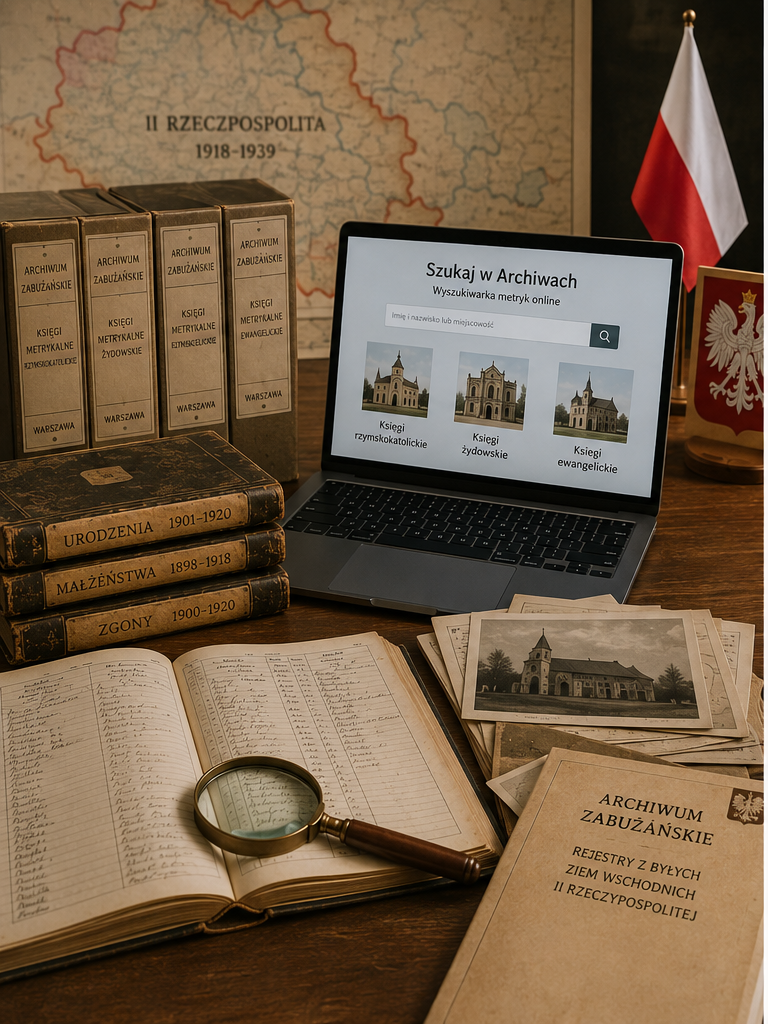 Polish archives plan to publish a substantial collection of vital records online by the end of 2026.[0] This release encompasses Roman Catholic, Jewish, and Evangelical records from territories that were part of interwar Poland but now lie in Ukraine, Belarus, Romania, Poland, and Lithuania.[0] The records originate from the Zabużańskie registry archives in Warsaw, which have preserved historical documents from Poland’s former eastern lands.[1]
Understanding the Zabużańskie Archives
After World War II, Poland lost its eastern territories to the Soviet Union, but many civil and church registers were transferred to Warsaw for safekeeping.[1] The Zabużańskie archives now hold a wealth of historical birth, marriage, and death records from these areas.[1] For anyone tracing Polish roots in the former eastern borderlands, this collection is an indispensable resource.[1]
What's Included in the 2026 Release?
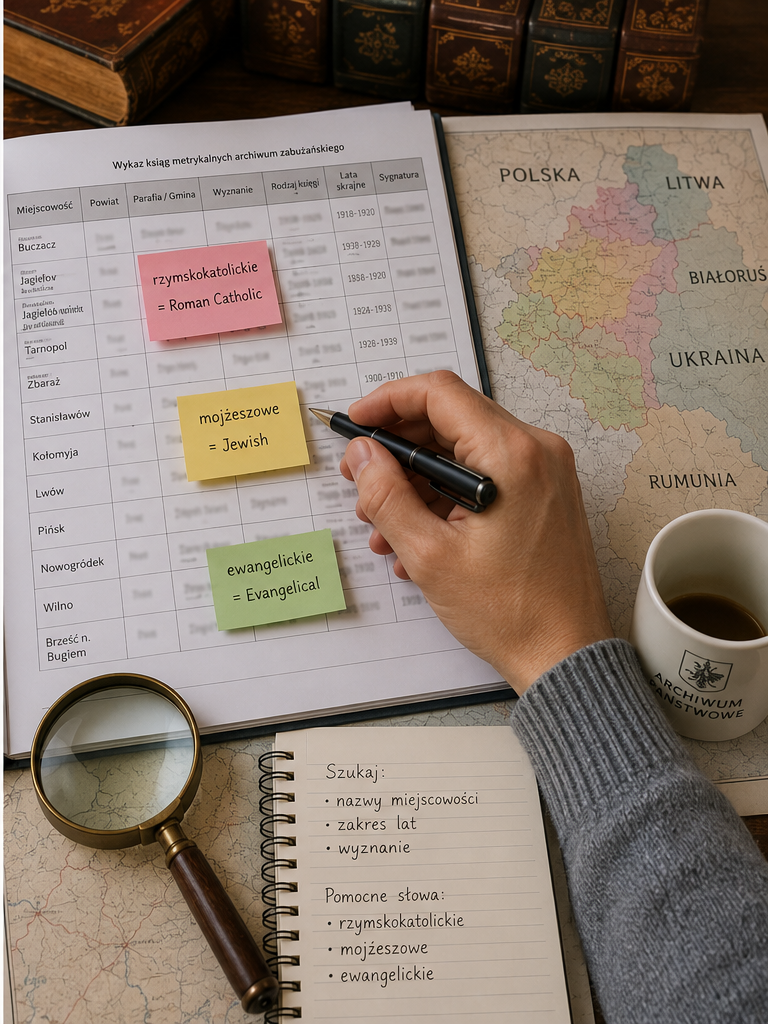
A downloadable 140-page document from Polish archives lists the specific records scheduled for public access.[0] It details holdings from Roman Catholic, Jewish, and Evangelical congregations.[0] Geographically, the records reflect the interwar Polish territories now split across multiple countries.[0] The file is entirely in Polish, but its tabular layout makes it relatively easy to identify place names, years, and religious denominations.[0]
 How to Navigate the 140-Page Guide Without Polish
Practical guidance from genealogical blogs offers strategies for researchers who do not read Polish.[0] Key tips include looking for recognizable town and village names, scanning for year ranges, and spotting religious keywords such as “rzymskokatolickie” (Roman Catholic) or “mojżeszowe” (Jewish).[0] Online translation tools can help decode column headers and common abbreviations in the document.[0] With a little patience, even those with no Polish can pinpoint entries relevant to their family history.[0]
Why This Matters for Karta Polaka Applicants
Proving Polish ancestry for the Karta Polaka process often requires vital records from pre-war Poland.[1] These documents show that an ancestor lived in Polish territory before the border shifts of 1945.[1] The upcoming release makes it far more feasible for descendants to locate official evidence from areas now outside Poland’s current boundaries.[1]
Other Resources and Next Steps
While the Zabużańskie archives are the focus, other institutions also preserve and digitize eastern records. Researchers should bookmark official Polish archives websites and monitor announcements about the exact 2026 release date.[0] Download the 140-page guide now to start planning which fonds to target.[0] Genealogical societies specializing in Polish or Eastern European research can provide additional support and context.[0]