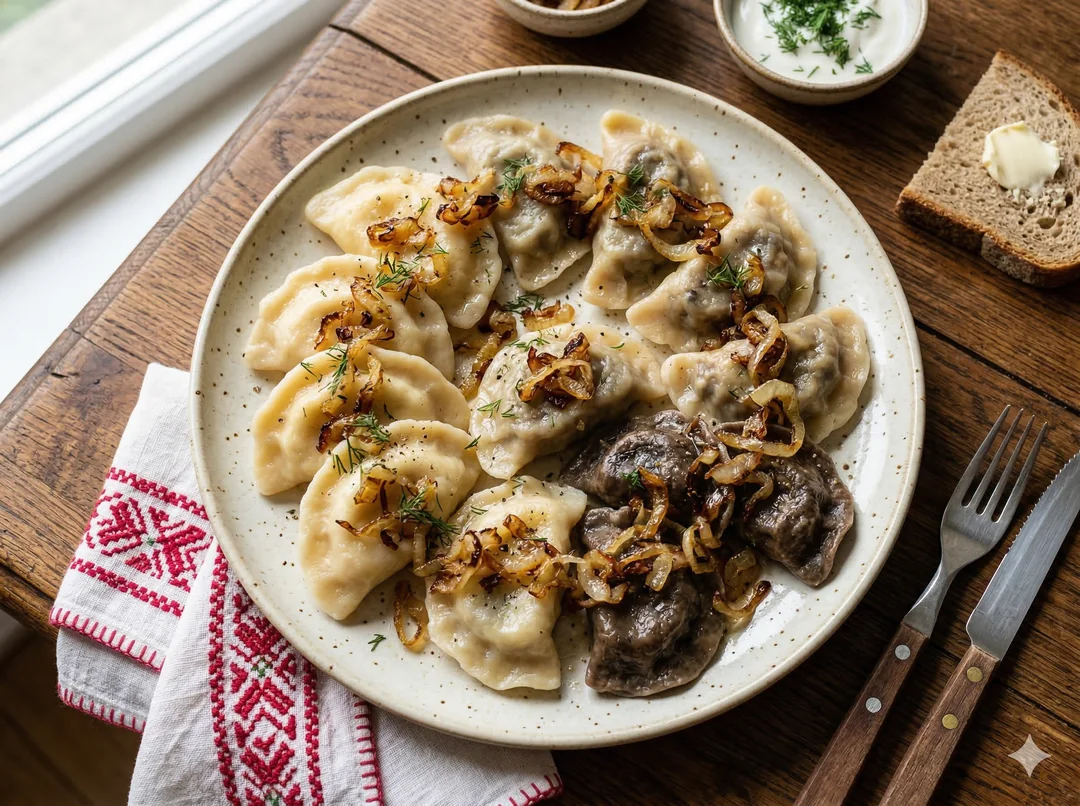
 Pierogi are more than just dumplings — they are a symbol of Polish hospitality, family tradition, and regional diversity. These half-moon pockets of dough, filled with everything from savory farmer's cheese to sweet summer berries, have been a staple of Polish cuisine for centuries. For anyone exploring their Polish heritage, learning about pierogiis a delicious way to connect with the culture that the Karta Polaka represents. Whether you're preparing for your consulate interview or simply want to understand your roots better, knowingthe story behind this iconic dish can be a meaningful step.
Traditional pierogi fillings vary dramatically by region and season. In the south, near Kraków, you'll find pierogi ruskie — filled with potato, twaróg (a soft white cheese), and fried onion. In the east, savory buckwheat groats and mushrooms are common, especially during Christmas Eve supper (Wigilia). Sweet pierogi, filled with blueberries, strawberries, or plums, are a summer treat often served with cream and sugar. This regional variety mirrors the diversity of Polish history itself. When you visit Poland to trace your family's footsteps — something many Karta Polaka holders do — you can taste the same pierogi your ancestors might have enjoyed. For help planning that journey, check out our roots travel guide.
Pierogi also play a role in the Karta Polaka interview. Consular officers often ask about Polish traditions, holidays, and cuisine. Being able to describe pierogi — their fillings, when they're eaten, and their cultural meaning — demonstrates a genuine connection to Polish culture. It's the kind of everyday knowledge that can make your interview more relaxed and authentic. If you want to feel even more confident, consider using the paid 30-Day Study Guide for basic Polish speakers, which includes cultural topics like traditional foods. You can also find more interview tips on our interview preparation page.
Beyond the interview, making pierogi yourself is a wonderful way to bond with your heritage. Many Polish families have their own secret filling recipes passed down through generations. If you're researching your family tree, you might even discover a regional specialty that your ancestors brought from their village. For guidance on tracing those family recipes and records, our genealogy research page offers practical advice. So whether you're boiling, baking, or frying them, pierogi are a taste of home — even if home is still waiting to be discovered.